
Offering Hope Where It's in Short Supply
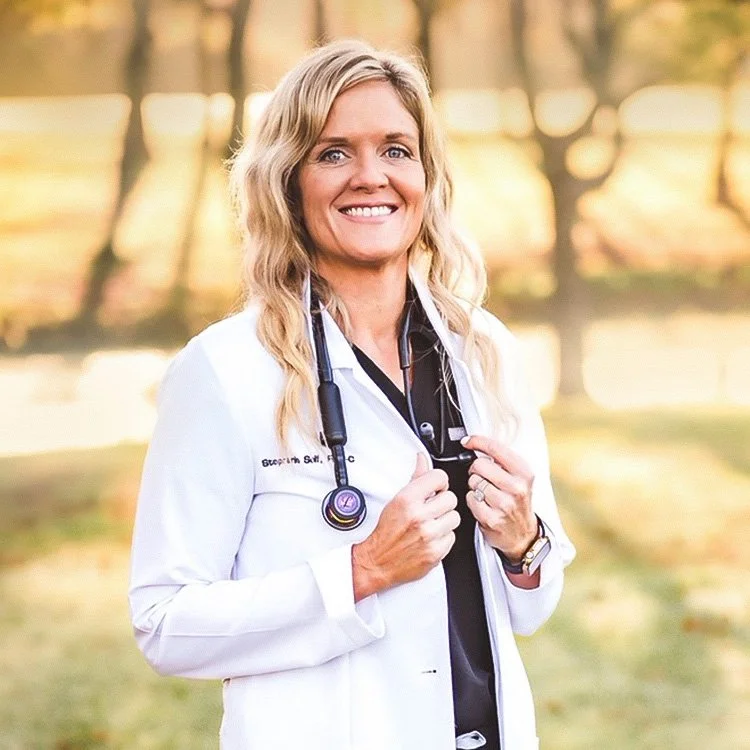
Stephanie Self
Vice President of Operations, Southern Health Partners
"Correctional nursing isn’t simply about caring for incarcerated individuals – it’s about seeing the person behind the inmate, offering hope where it’s often in short supply, and making a difference one patient, one encounter, and one life at a time."
Correctional nursing is more than a career to me—it’s a calling. I grew up in a law enforcement family, which gave me a deep respect for not only those who wear the badge, but also for the unique responsibility of providing healthcare behind the walls. Over the past 15 years, my journey has evolved from starting as an LVN in a small county jail to now serving as a Nurse Practitioner. Every step has reinforced why this work matters.
Correctional healthcare allows me to serve one of the most underserved populations in our country. Many of my patients have never had consistent access to healthcare, education, or someone who genuinely listened to them. While incarceration may be one of the darkest chapters of their lives, I believe it can also become an opportunity for healing—both physically and emotionally.
Correctional nursing has taught me that healing isn’t just about treating an illness and prescribing medications, it’s also about showing compassion, offering hope, and reminding someone that they still have value. When someone begins to believe they are worth investing in, that is where real change starts. By educating, empowering, and instilling a sense of responsibility and pride in patients to care for their own health, I have witnessed them overcome addiction, manage chronic diseases, and leave custody healthier than when they arrived.
This work has shaped me into the provider and person I am today. It has strengthened my compassion, challenged my perspective, and reaffirmed my belief that every person deserves quality healthcare and the opportunity for a better future. Correctional nursing isn’t simply about caring for incarcerated individuals – it’s about seeing the person behind the inmate, offering hope where it’s often in short supply, and making a difference one patient, one encounter, and one life at a time.