
First Line of Defense: How Carceral Medicine is Reshaping Patient Outcomes
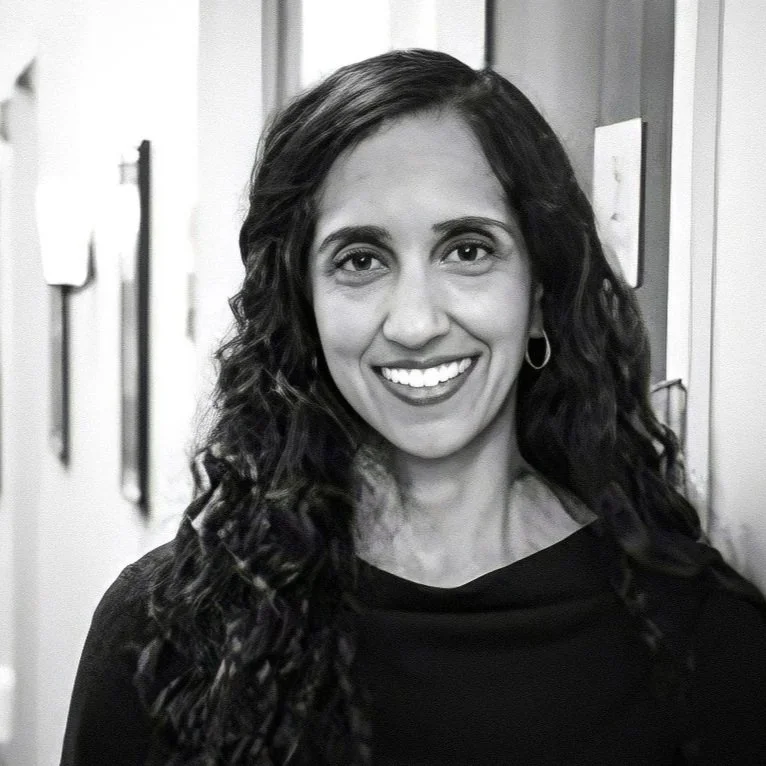
Lalitha Trivikram, MD
CFG Health
"For a significant segment of the population, incarceration serves as the unexpected entry point into a healthcare system that finally recognizes and addresses their medical needs. Ultimately, correctional medicine is a foundational pillar of public health that builds a healthier, safer, and more compassionate society for everyone."
When a 37-year-old gentleman entered our facility, he was suffering from an aggressively worsening neurological tremor that quickly left him unable to walk steadily or even hold a spoon to feed himself. Recognizing his rapid deterioration, our team bypassed standard delays to coordinate an expedited hospital admission. Within a week, he was diagnosed with Multiple Sclerosis (MS), started on appropriate therapies, and closely stabilized in our infirmary.
By identifying, diagnosing, and stabilizing a complex chronic illness during incarceration, we achieve several critical public health goals. First, proactive management prevents vulnerable individuals from cycling through community emergency rooms in acute medical crises. Second, early intervention provides patients with the long-term clinical stability and quality of life necessary to successfully reenter their communities. Lastly, bridging the gap between internal stabilization and outside care ensures that life-saving treatments are not lost during societal transitions.
This case exemplifies the profound, often unrecognized impact of the carceral medical field. For a significant segment of the population, incarceration serves as the unexpected entry point into a healthcare system that finally recognizes and addresses their medical needs. Correctional clinicians possess a unique level of agility and clinical vigilance; we are frequently the very first line of defense against advanced, undiagnosed pathologies. When we deliver high-quality, equitable care behind bars, we are doing much more than treating the patient in front of us. We are actively closing systemic health disparities, reducing the long-term economic burden on public healthcare infrastructure, and ensuring that returning citizens are structurally equipped to thrive.