
Bridging Correctional Healthcare and Community Wellness
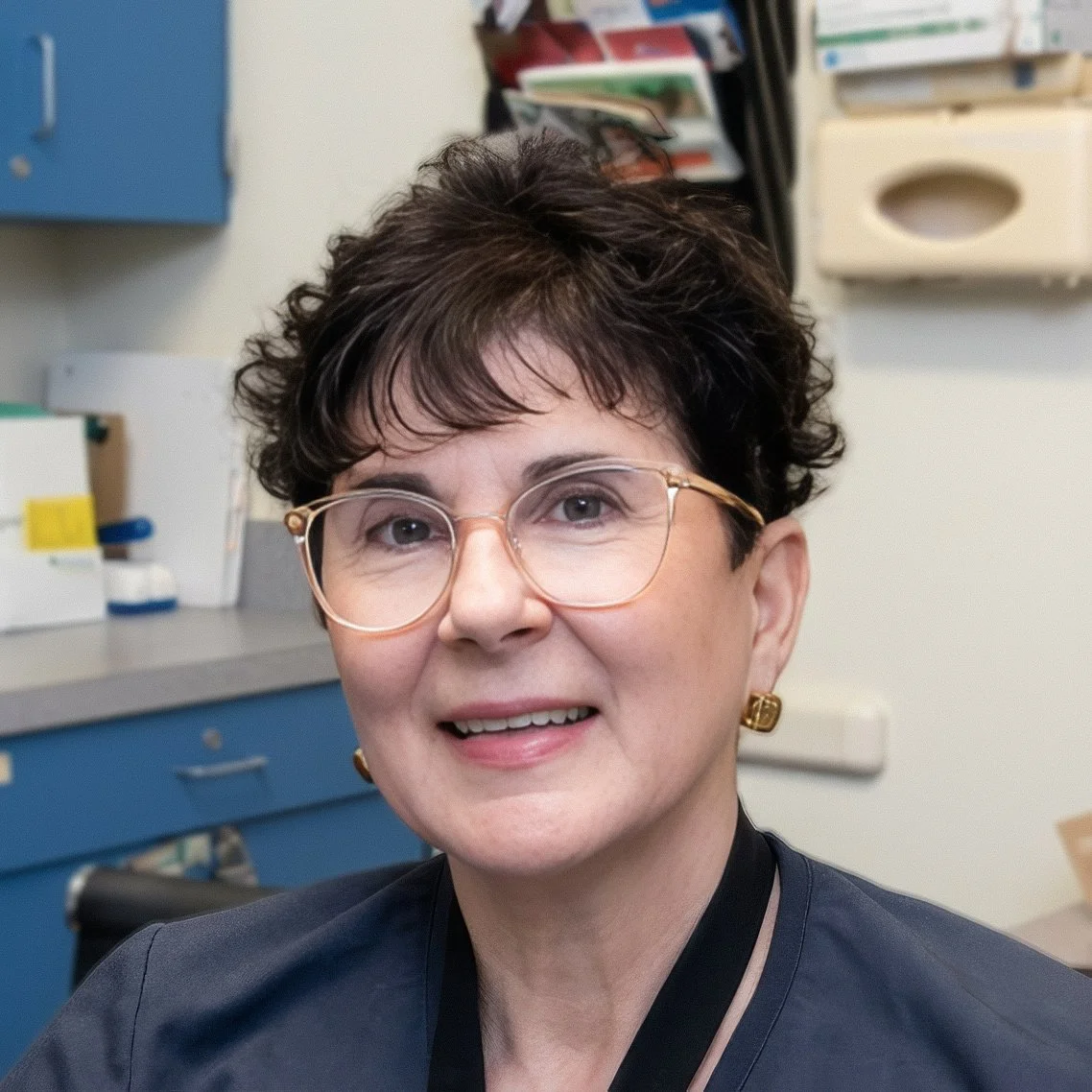
Debra D’Aquilante, MD
CFG Health
"Every patient, regardless of their background or circumstances, deserves the exact same standard of medical excellence."
Thirty-two years ago, I was finishing my fellowship and searching for a job that I could balance a career in medicine with family life. An unexpected moment of serendipity changed the trajectory of my career. I happened to reread Charles Dickens’ Little Dorrit—a novel centered around a debtor’s prison—and shortly after, received a note about an opportunity to work at a local correctional facility. Then, when I arrived, I was greeted by a woman named Dorrit. Recognizing the sign, I stepped into carceral medicine and quickly realized that these individuals are simply human beings in need of dedicated care. I am proud to be a part of a group of compassionate doctors and nurses who work in this industry and practice with the unwavering principle that every patient, regardless of their background or circumstances, deserves the exact same standard of medical excellence.
Working in corrections, you will see people at their lowest moments and have the opportunity to help them rewrite their futures. Whether comforting a frightened patient with a critical test result or advocating through operational barriers to identify a life-threatening diagnosis, I treat every individual with dignity. Over the years, my patients have shared that I served as their physician, counselor, and advocate rolled into one. When a patient I treated for advanced HIV looked at me six months into his recovery and pleaded, "Please never leave us; we really need you here," it solidified my lifelong commitment to this work.
Ultimately, the care we deliver inside facility walls creates a crucial bridge to the health of surrounding communities. Understanding the complex barriers our patients face upon release has enlightened me to the harsh realities of post-incarceration survival. By establishing trust and continuing patient education prior to release, we improve care retention, reduce recidivism, and directly relieve pressure on public health infrastructure. Today, as correctional healthcare grows and more university medical programs partner with us to train the next generation of clinicians, I am proud to show that practicing high-caliber, humanizing medicine behind bars transforms not only individual lives, but the well-being of society as a whole.