
Restoring Families and Communities Through Correctional Care
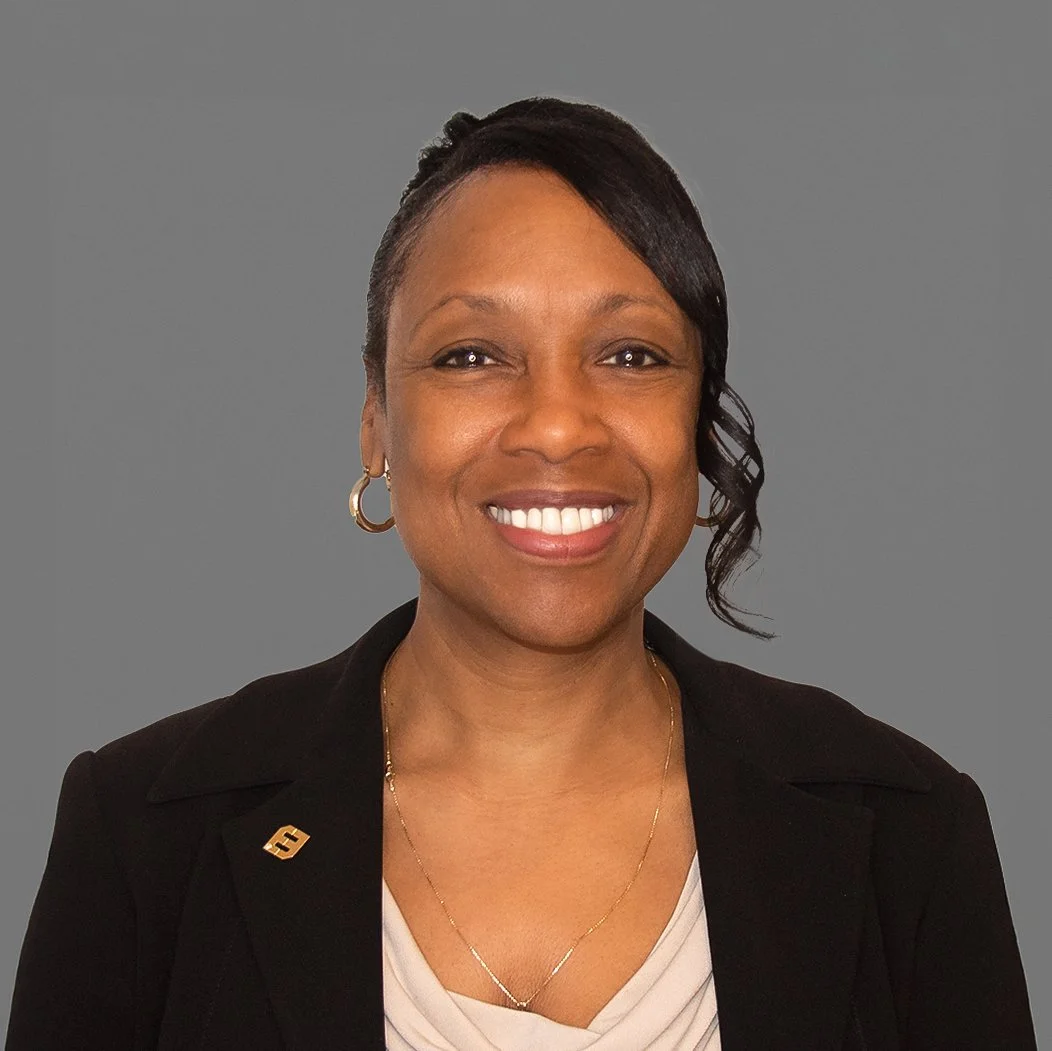
Dr. Lolita Rhone
Georgia Mental Health Program Director, Centurion
"Correctional healthcare gives us a profound opportunity to destigmatize mental health treatment and show patients that they are not defined solely by their past mistakes."
I was once in a grocery store when a woman I had treated during her four-year sentence approached me, introduced me to her daughter, and said, "This is the doctor who changed my life." Seeing her thrive on the outside was the ultimate proof that the work we do behind bars doesn't just rehabilitate an individual—it restores families, strengthens communities and breaks generational cycles. That quiet, transformative impact is the real power of correctional healthcare, and it is precisely why I have dedicated 25 years of my career to serving this population.
Having initially transitioned into correctional healthcare from a traditional hospital setting, I quickly realized that caring for this historically underserved group was my true calling. What sets this environment apart is our unique clinical access. Because individuals in our care are readily accessible, our teams can "solutionize" and find creative, immediate, and sustainable ways to deliver consistent, life-saving care to individuals who were previously disconnected from the health system on the outside.
But our work extends far beyond treating physical conditions. Correctional healthcare gives us a profound opportunity to destigmatize mental health treatment and help patients understand that they are not defined solely by their past mistakes. Whether we are developing meticulous discharge plans to give returning citizens a stronger foundation as they reenter their communities or helping those serving longer sentences find stability and acceptance, we treat every individual with the dignity they deserve. Today, correctional facilities serve as vital learning environments where passionate, highly skilled clinicians can gain invaluable experience, build meaningful careers in public service, and improve community health long after incarceration.
After 25 years, I remain deeply committed to this work because I have seen firsthand that when we invest in the health and humanity of people who are often overlooked, the impact reaches far beyond the individual. It reaches their families, their communities and generations to come.